

Notes on Summer
The season has many definitions, depending on your perspective

Hello Friends, How do you define summer? According to the Oxford New American Dictionary, summer is the hottest time of the year, June through August in the Northern Hemisphere, December through February in the Southern. That, however, is not the only definition.
In much of the Northern Hemisphere, the beginning of summer is seen not as the first of June, it is the Summer Solstice—June 21st this year—and the season ends at the Autumnal Equinox in late September when the sun crosses the celestial equator.
By this definition, summer runs from the longest day/shortest night of the year to the date when the days and nights are of equal length (the equinox, or “equal night”).
For many indigenous cultures, summer begins with the full moon closest to Solstice, signifying when the first summer fruits are ready to eat. Lakota, Dakota, Ojibway, and Algonquin people call this moon the Strawberry Moon because it appears when wild strawberries are at their sweetest.
Other cultures name this moon the Hot Moon because it is the first full moon in the season of heat, which may appear months earlier, depending on where you live. (In the warm tropical latitudes near the Equator, summer may start in March and end when the rainy season begins.)
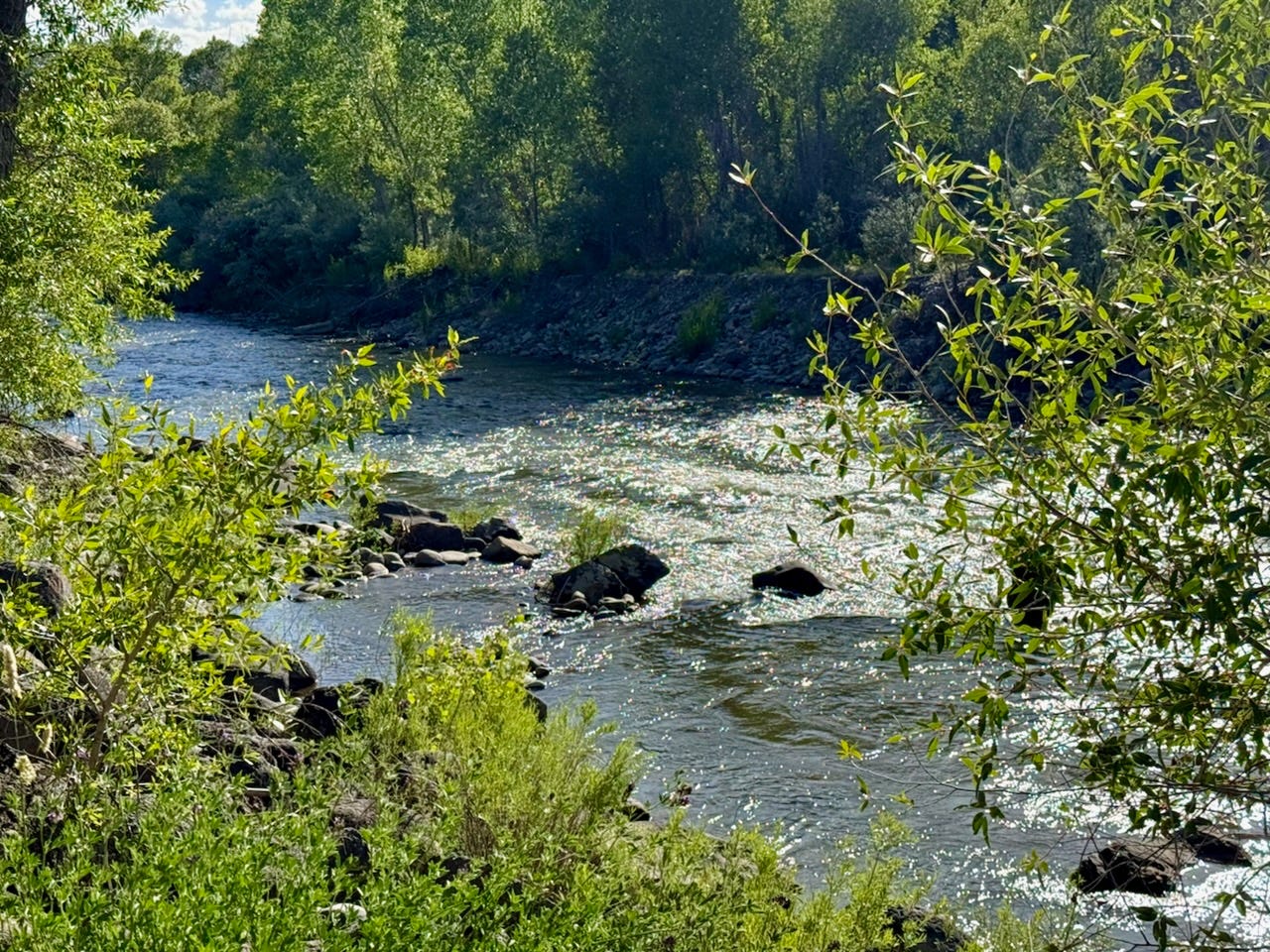
Although my drought-stricken valley in Western Colorado is by no means in a tropical latitude, it felt like summer started in March this year with temperatures as high as 80 degrees F, twenty degrees hotter than normal.
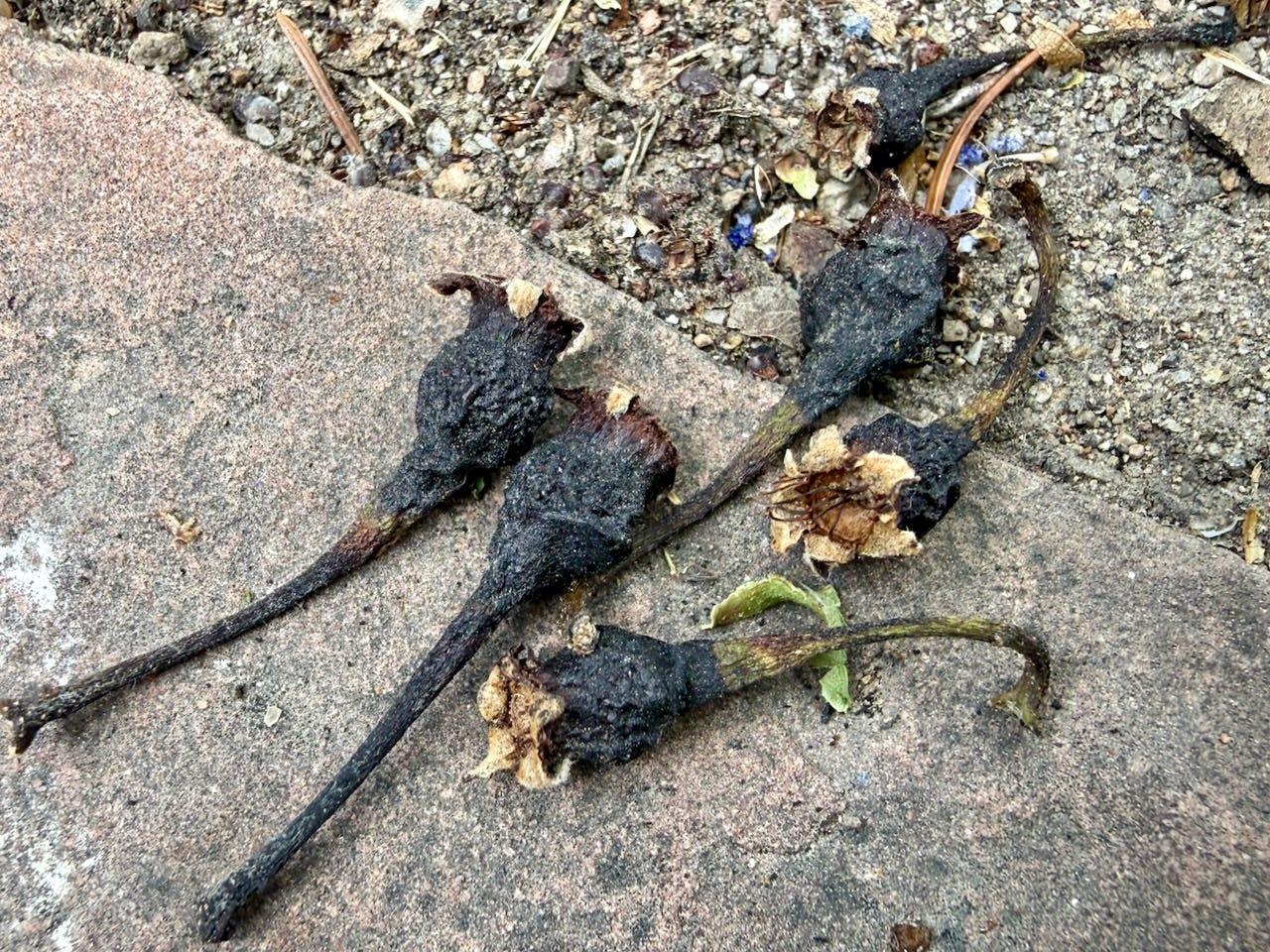
That false-summer record heat triggered the valley’s fruit orchards to bloom a month early, followed by a wintery night when the temperature dropped to 22 degrees F, freezing the baby fruits on the trees. Orchards throughout the county look green and lush, but their tiny fruits are hard as gravel, withered and dry, a multi-million dollar loss. Thank you (not) climate change.
Summer by any other name…
Because it takes Earth 365.24 days to travel around the sun, the solstices and equinox dates vary from year to year. That extra quarter of a day means the astronomical season of summer from Solstice to Equinox isn’t the same length each year. If you’re a meteorologist and want to compare, say, average temperature data from year to year, that’s a problem.
So weather researchers devised their own definition of summer: June 1st through August 31st here in the Northern Hemisphere. (If you’re in the Southern Hemisphere, meteorological summer runs December 1st through February 28th, unless it’s Leap Year.)
In the Celtic culture of my ancestors, the season of summer begins on May 1st with the fire festival of Beltaine (also spelled Bealtaine), peaks at Mid-Summer on the Summer Solstice in June, and ends with the festival of Lughnasadh on August 1st, which began the harvest season.
So what we commonly celebrate now as the beginning of summer is in Celtic culture the height of the season, the longest day of the year.
The differing definitions of summer are a timely reminder that so much of life is a matter of perspective. Our views are shaped by where we come from (family, culture, place, education, vocation), what our intent is—are we collecting comparative data, are we engaged in ritual observances, or simply enjoying a vacation—and where we stand, literally on this planet and metaphorically in terms of beliefs and values.
In other words, summer really is a state of mind.


Tune in for the next Earthbound Live conversation
Fluvial geologist, author, and river guide Becca Lawton of Reading Water joins me on Sunday, June 14, at 2 pm MT, 1 pm PT, 4 pm ET to talk about terraphilia, water, and her book-in-progress, Boatwoman.
The conversation with Carolyn M. Crane has been rescheduled for July 15th. More details to come.
Earthbound—the book
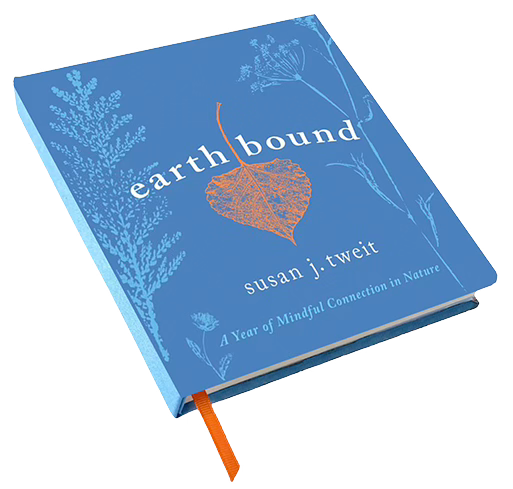
Earthbound is in the process of transitioning from digital files to actual book! The files are in the print-queue at a printing plant that specializes in four-color, full-bleed work. In a month or so, the finished books will head across the ocean on their slow way to the Simon & Schuster distribution center, where they will join millions of other titles ready to wing their way into readers’ hands.
Ways you can help Earthbound and me reach those readers:
If you have a favorite local bookstore, DM me with your mailing address, and I will send you an Earthbound postcard to use when you request that they consider carrying the book.
Spread the grassroots excitement by talking about the book to friends, and to your book group, garden club, spiritual group, or other gatherings.
Do you know a group or organization looking for a conference speaker? Recommend me and Earthbound.
You are a great speaker. Thank you for the inspiration. —comment after my “Life of a Plant Girl” keynote, Natrona Public Library Big Read, April 2026
Suggest Earthbound to a podcast host or a book reviewer.
Host an Earthbound book release interview or other event on your Substack or Live.
Pre-order Earthbound if you haven’t yet. Pre-orders are vital to gaining attention for books, especially those from authors like me who are not even slightly famous!

It’s summer here in the Northern Hemisphere (more or less, depending on how you define the season). Get outside to soak up sunshine and Vitamin N to soothe body, mind, and spirit.
After recharging, shine your light brightly. Together, we can spread light and love throughout this troubled world.
Thanks for joining me!
Blessings,
Susan
Thanks for writing the many definitions and also about perspective. I am having a Finnish Midsummer party and one of the attendees scolded me the day because according to "science" was not midsummer. Here's to the old gods.
Thank you for a lovely and informative essay about everyone's favorite season. (Not mine, but I think I'm in the minority. 😂) And ohhh, that woodpecker -- what a handsome bird! I love those glimpses of your yard and garden. You are really settling in, looks like! Summer blessings to you, friend.